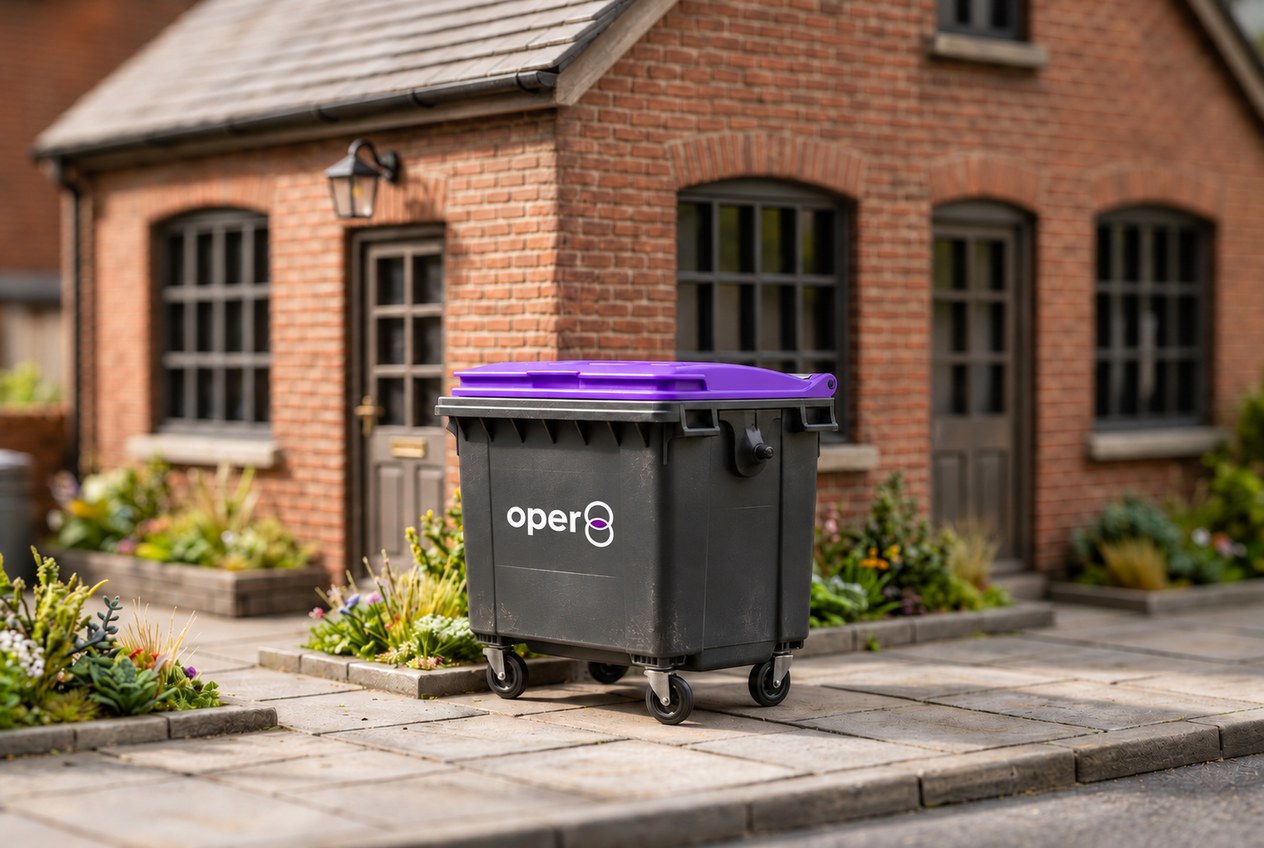
Illustrative miniature commercial bin scene

Bin and container guide

Make room for the right service.

Compare bins, sacks and larger containers, then explore what goes in each collection.

Your guide to business collections

The right bin.
For your business.

Start with the space you have, or the waste you produce. From a few sacks to a busy bin store, find a collection that fits the way you work.

Sizes and collections vary by location. We'll help you choose the right option.

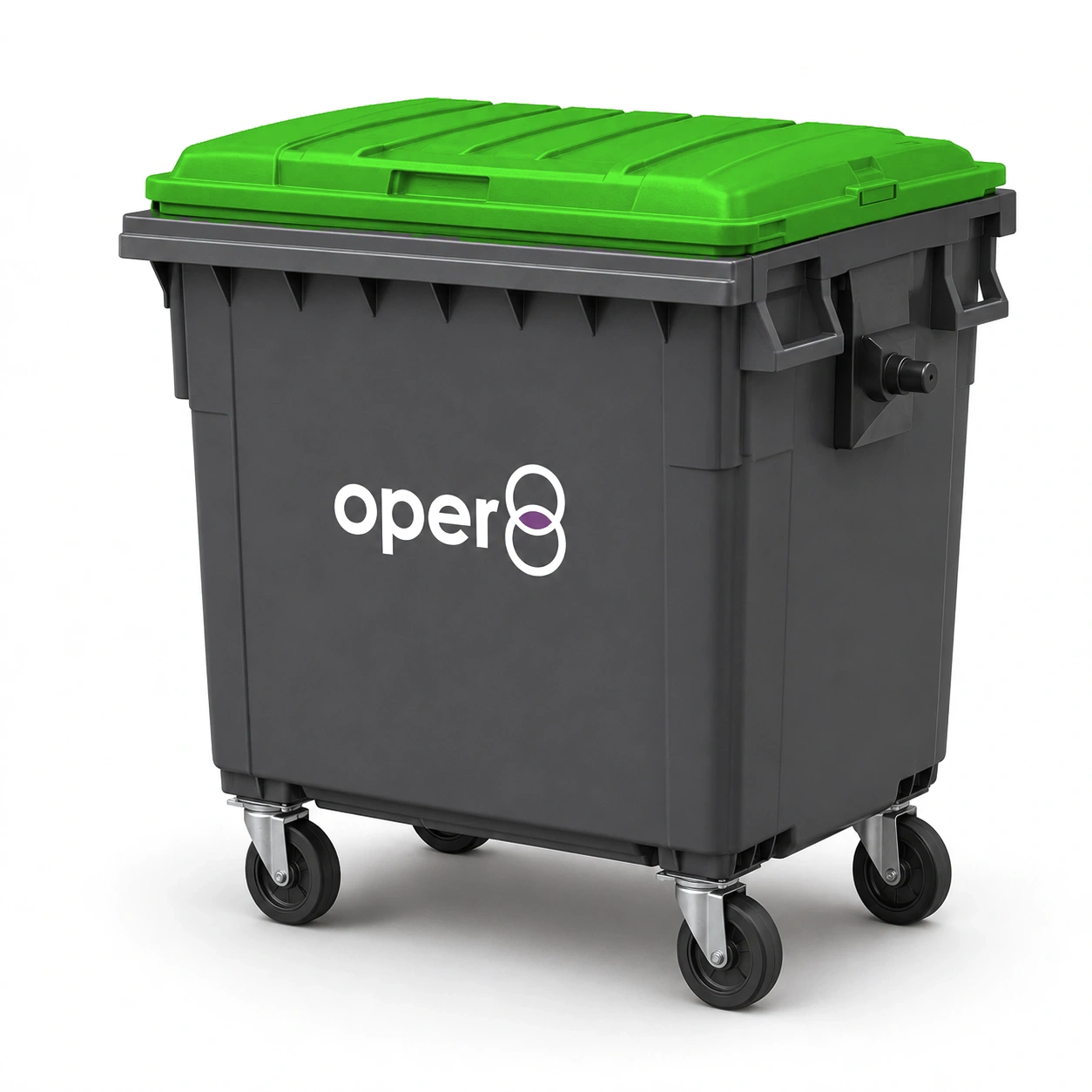
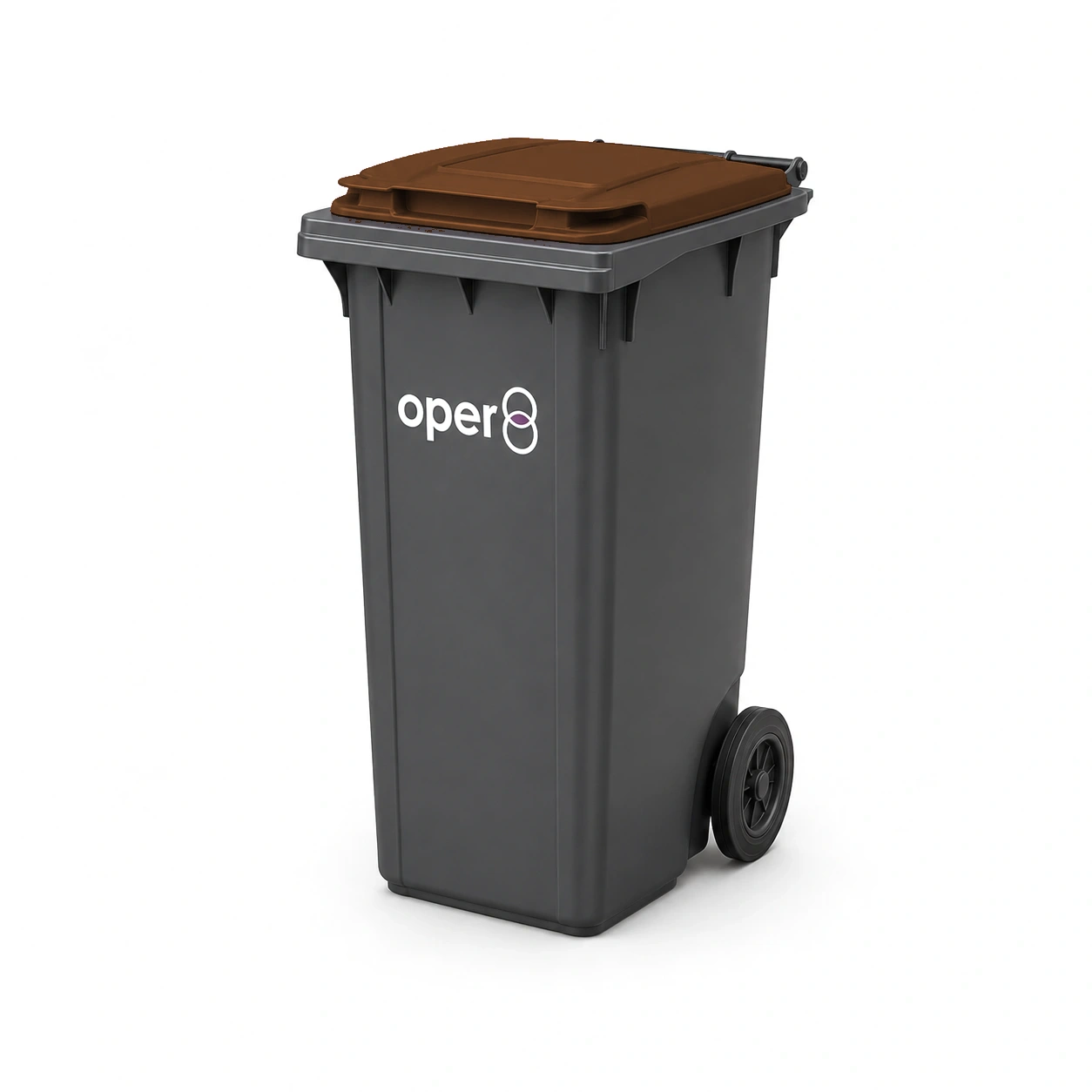
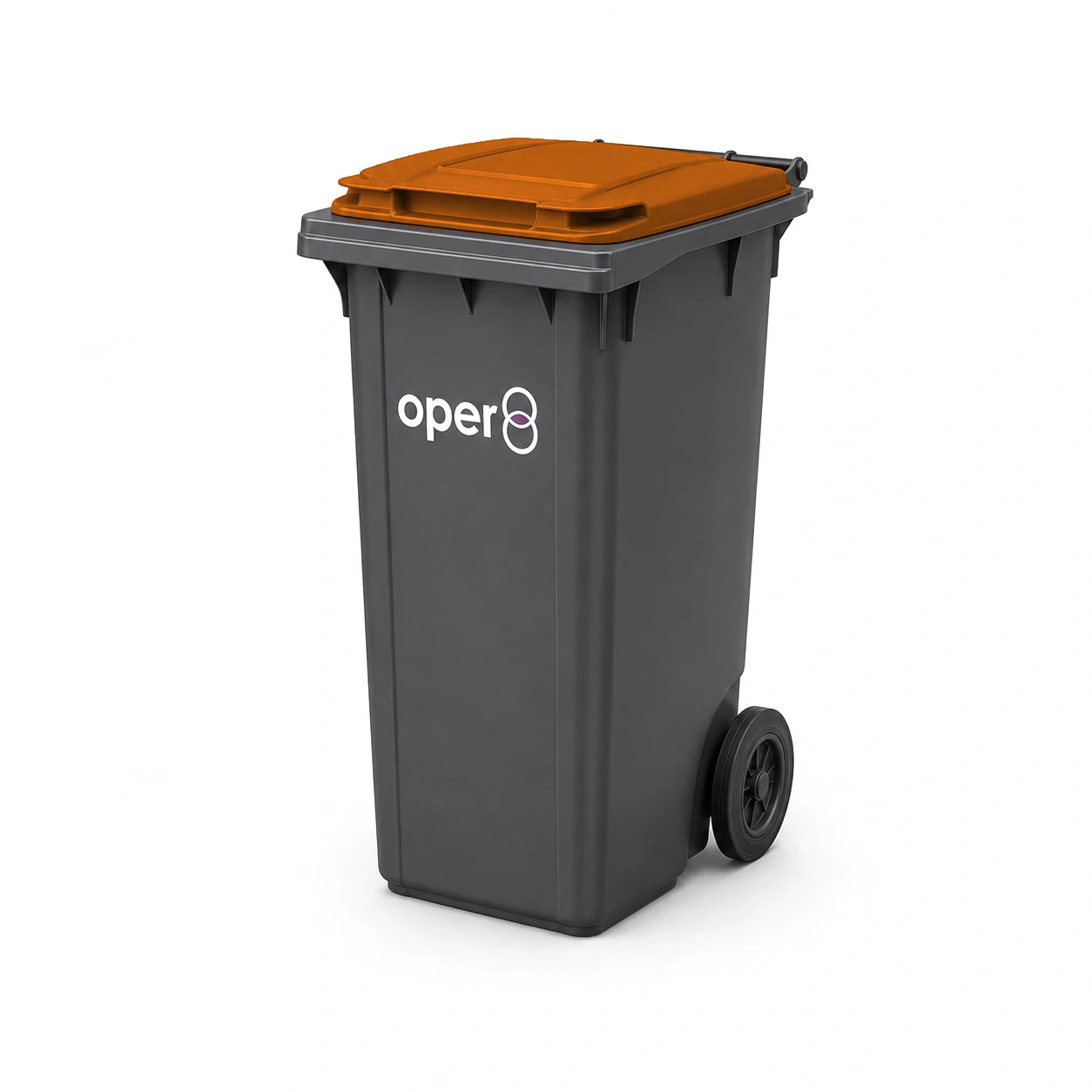
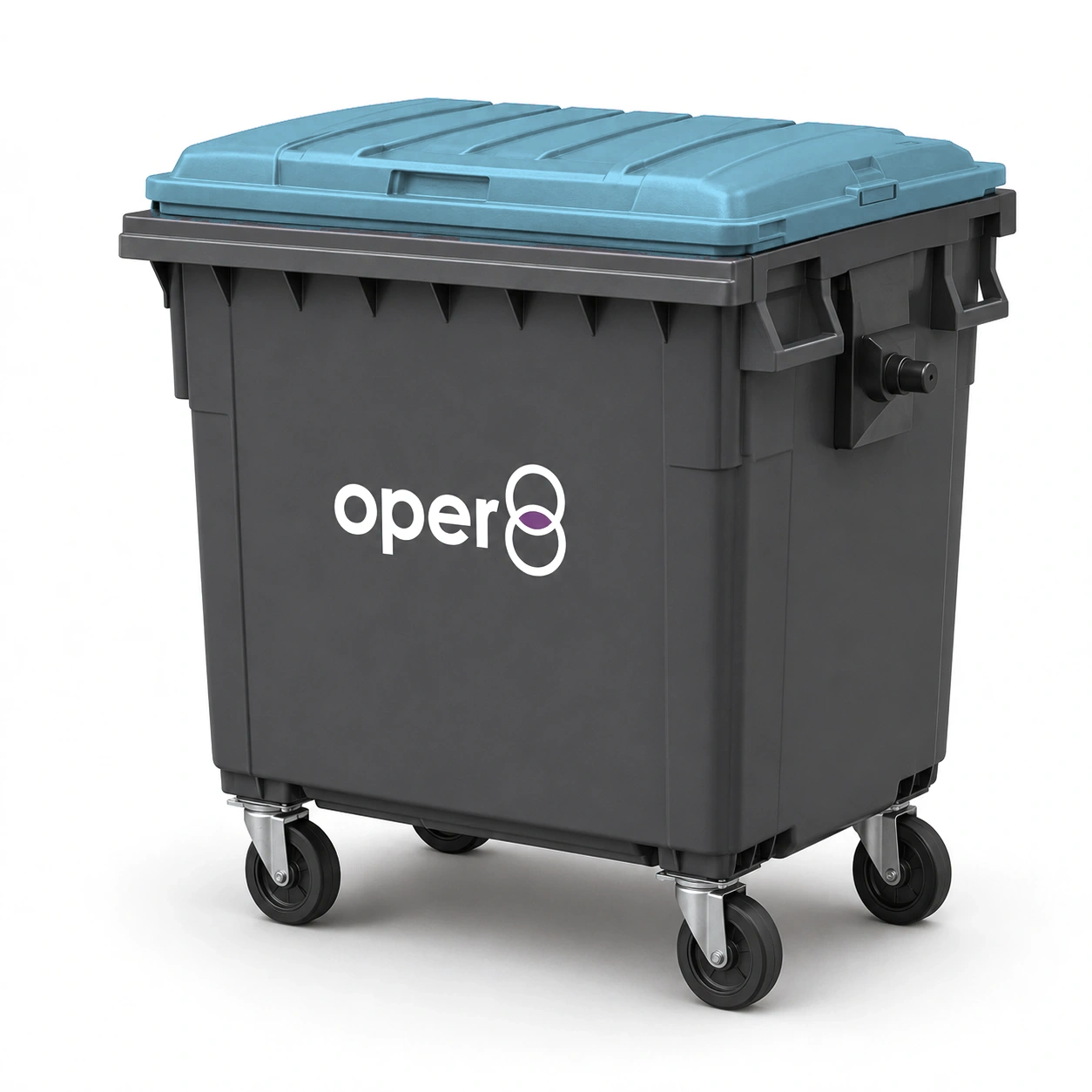
Lid colours help distinguish the waste types in this guide. Your supplied bin's lid colour may vary.

Bin sizes & containers

A little space.
Or a lot of waste.

Litres tell you how much room a bin offers. Start with how quickly your waste builds up, then consider where the bin will live and how it gets to the collection point.

Dimensions below are approximate example models. The supplied bin may vary, so allow extra room for the lid and access.

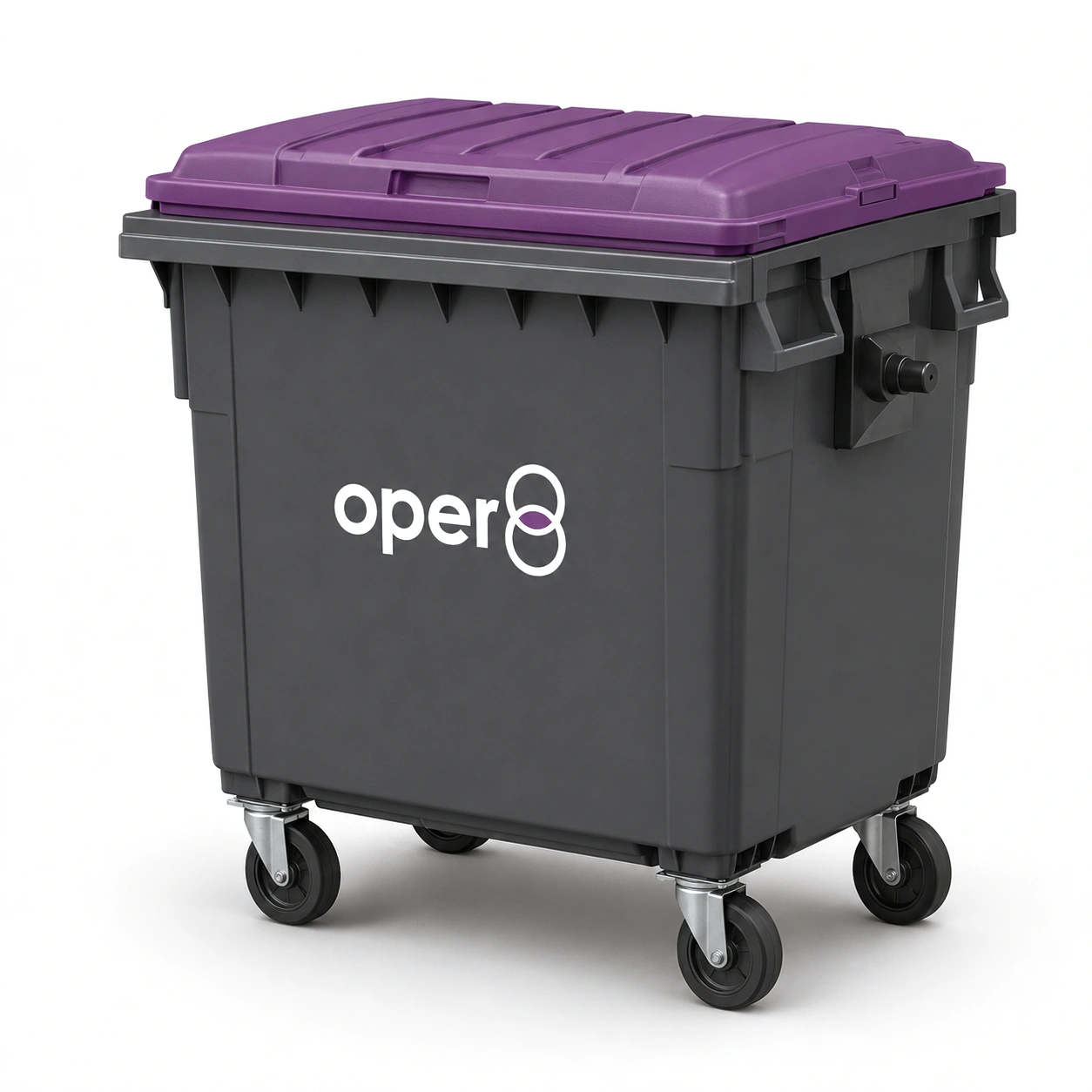
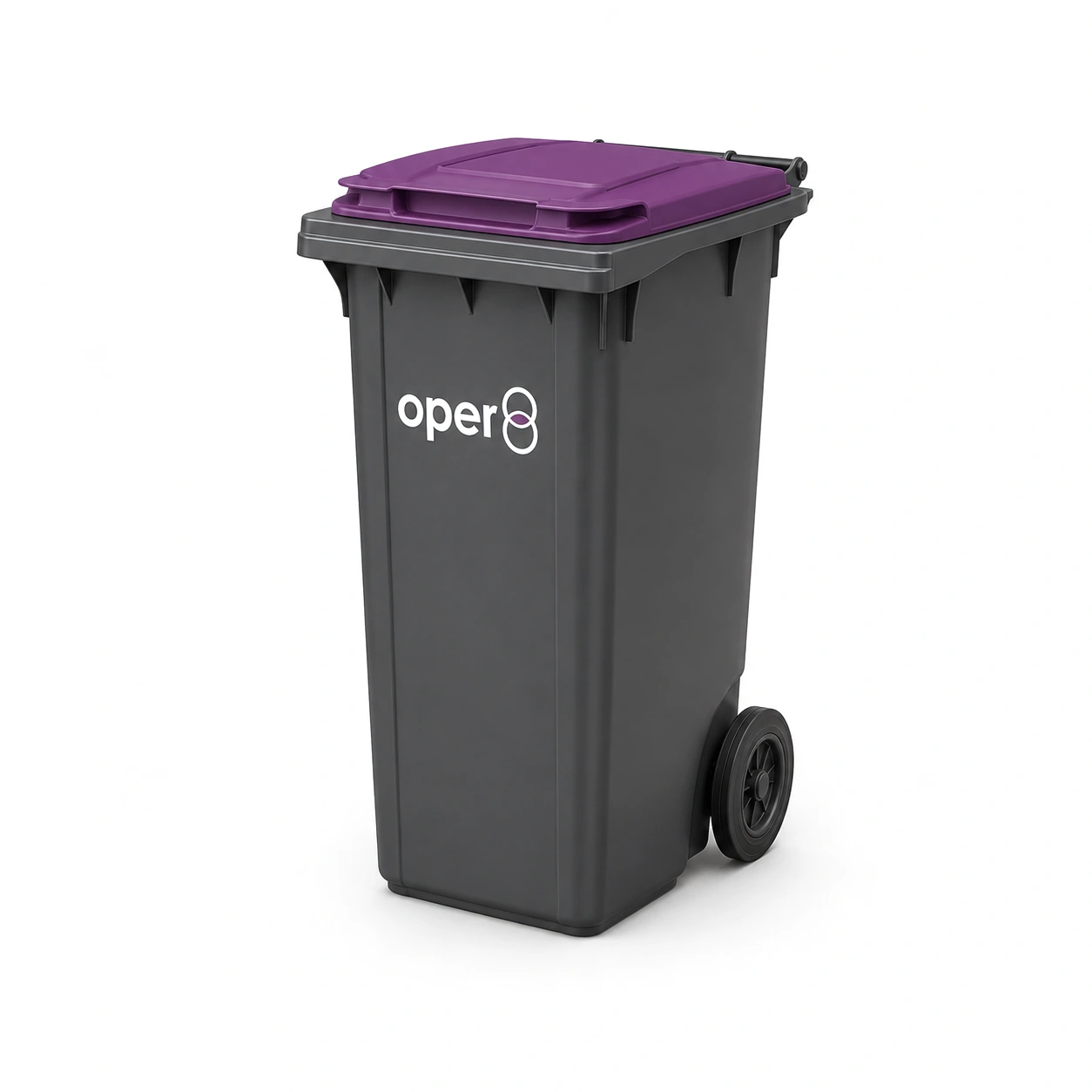
240L commercial wheeled bin

240L

A compact bin for businesses with limited storage space. Commonly used for food, glass and smaller amounts of general waste or recycling.

Approximate dimensions

Height
1,090 mm
Width
557 mm
Depth
760 mm

A useful starting point for cafés, small shops and offices. Leave space to open the lid and move the bin to the collection point.

Get a quote for this bin
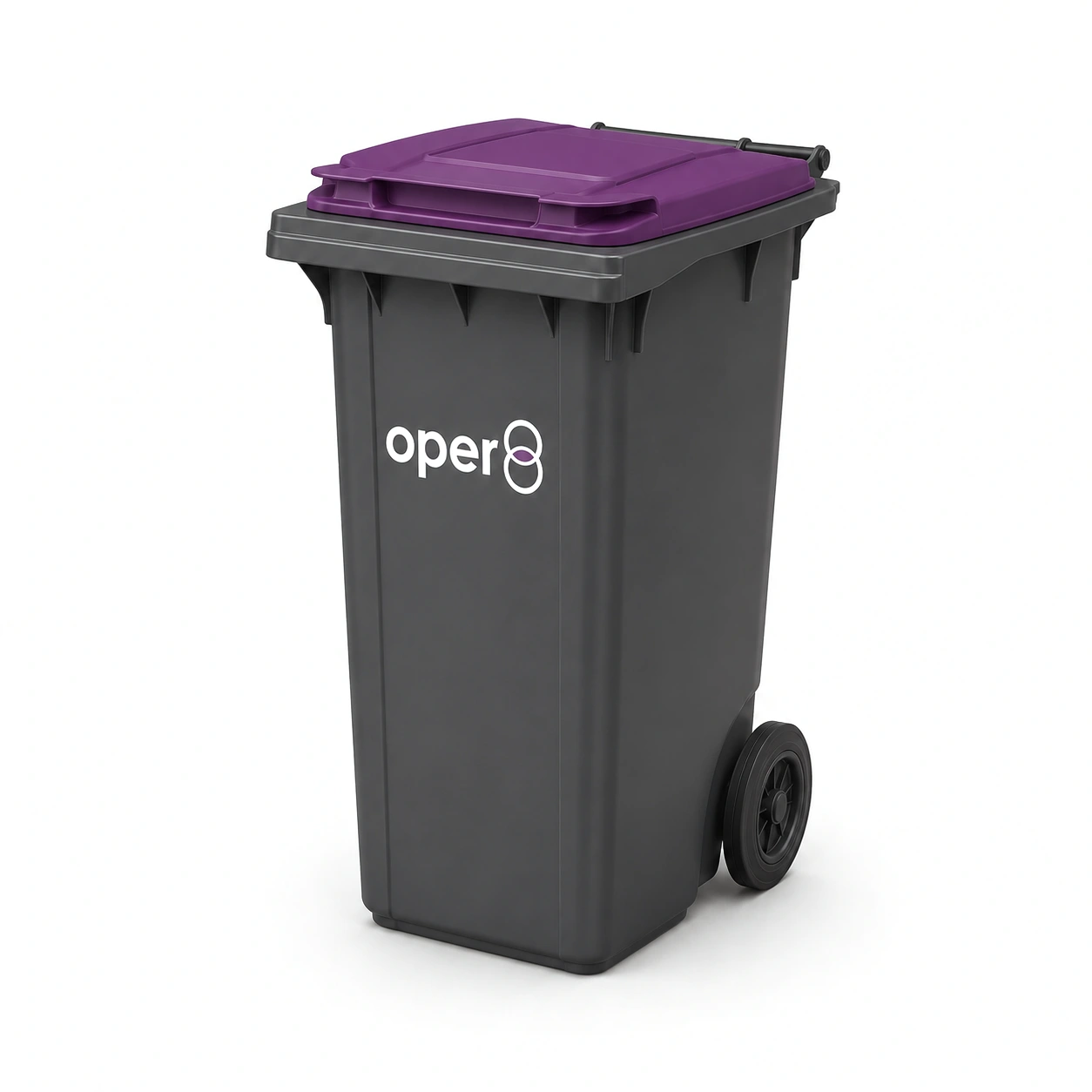
360L commercial wheeled bin

360L

More space without moving to a four-wheel bin. Useful for general waste, mixed recycling, paper or cardboard when a smaller bin fills too quickly.

Approximate dimensions

Height
1,095 mm
Width
594 mm
Depth
850 mm

Suits smaller sites with a little extra storage depth. Check narrow gates and the route from storage to collection.

Get a quote for this bin
660L commercial wheeled bin

660L

A mid-sized four-wheel bin for businesses with regular waste or recycling and a shared bin store or yard.

Approximate dimensions

Height
1,340 mm
Width
1,260 mm
Depth
720 mm

Useful for offices, retail premises and shared buildings. Allow room to turn the bin, not just park it.

Get a quote for this bin
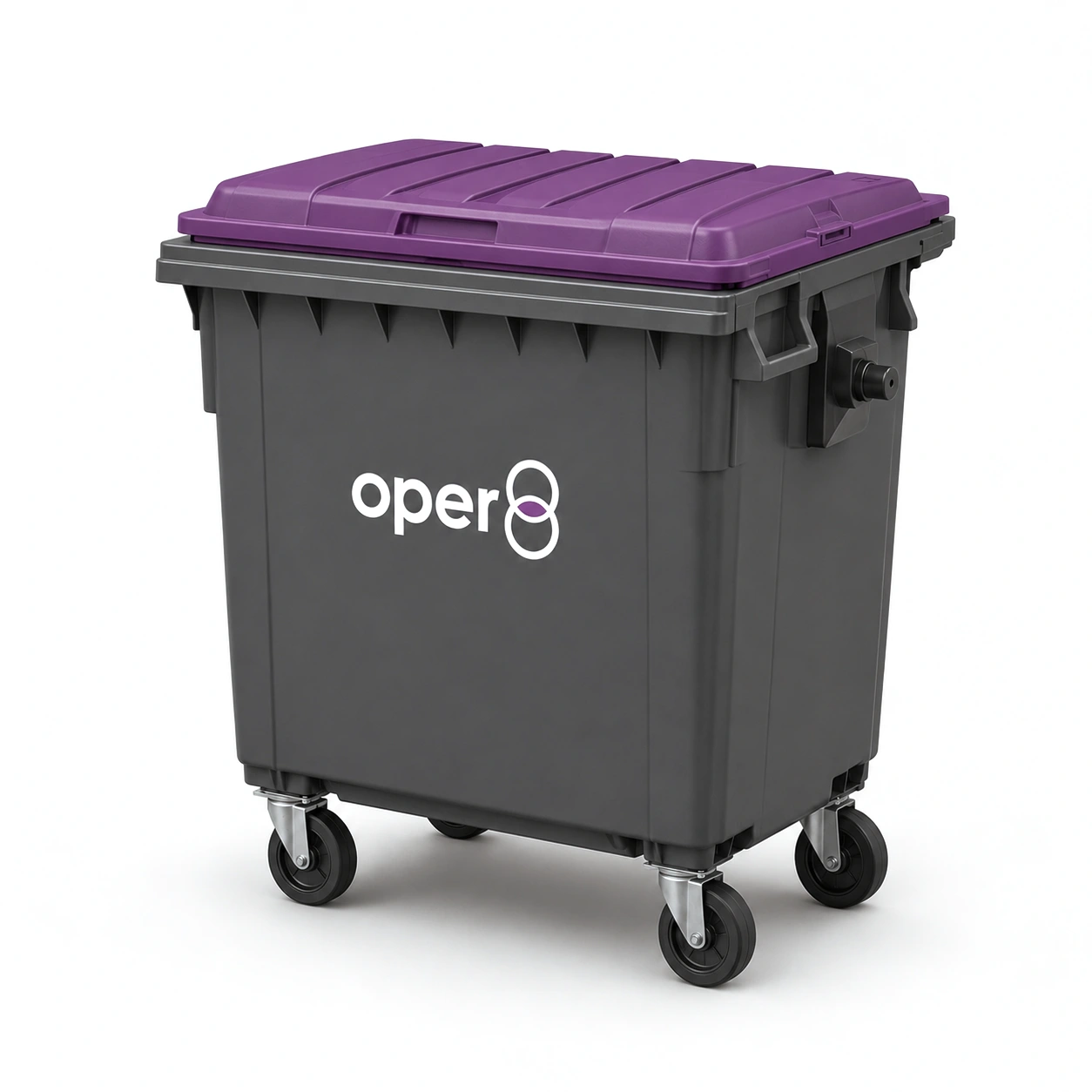
1100L commercial wheeled bin

1100L

A spacious four-wheel bin for larger amounts of general waste, mixed recycling, paper or cardboard. Useful where bulky packaging fills smaller bins quickly.

Approximate dimensions

Height
1,410 mm
Width
1,265 mm
Depth
1,000 mm

Often suits larger offices, shops and warehouses. A firm, level storage area and a clear route to collection make moving it easier.

Get a quote for this bin
Commercial waste and recycling sacks

Small spaces

Sack collections

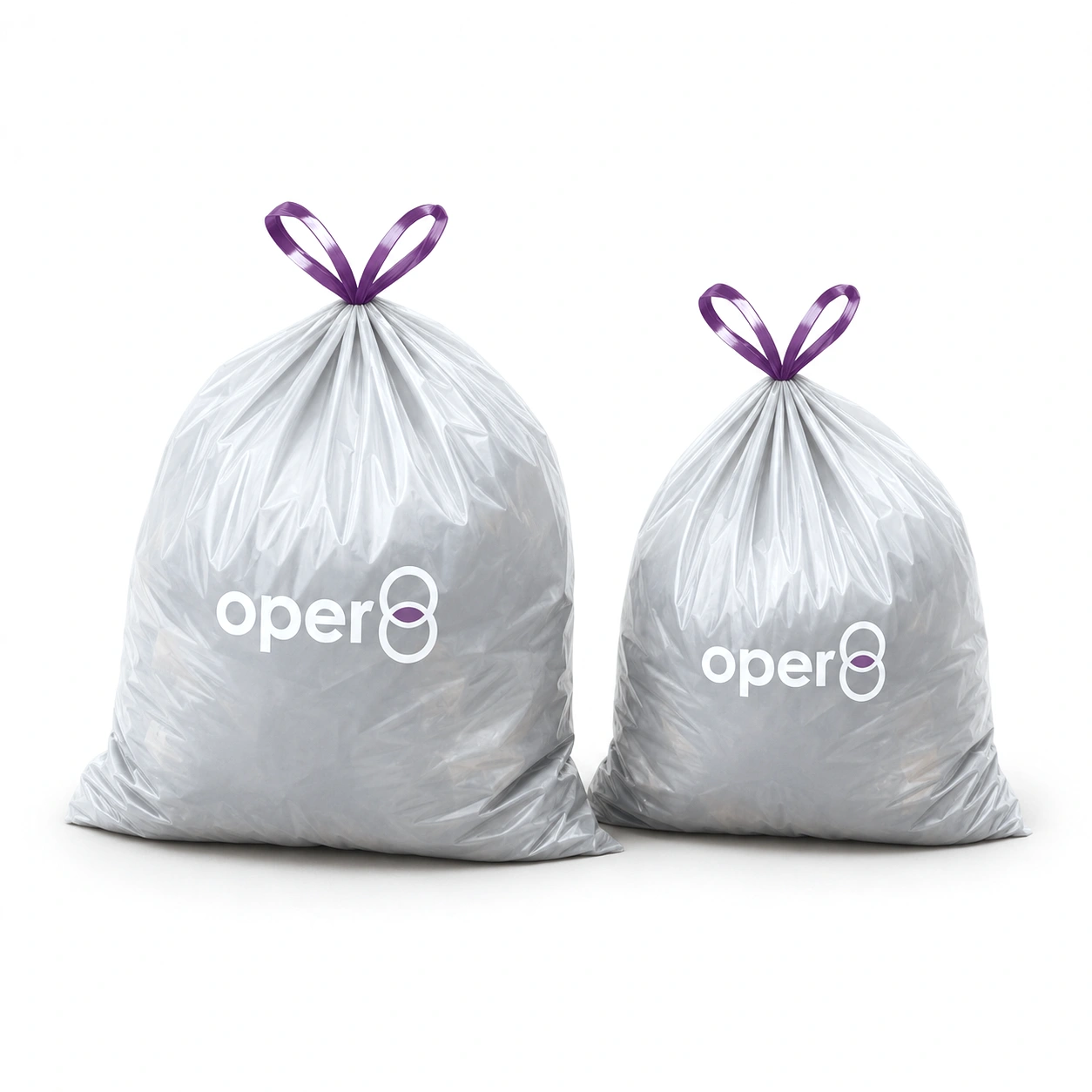
No room for a permanent bin? Sacks can be a practical option for small shops, offices and businesses with limited storage.

Use separate sacks for general waste and recycling. Store them securely inside until the agreed collection time, rather than leaving them on the pavement throughout the day. We will help you choose the right sacks and explain where and when to put them out.

Tell us what you need
Front-end loader (FEL)

Larger commercial volumes

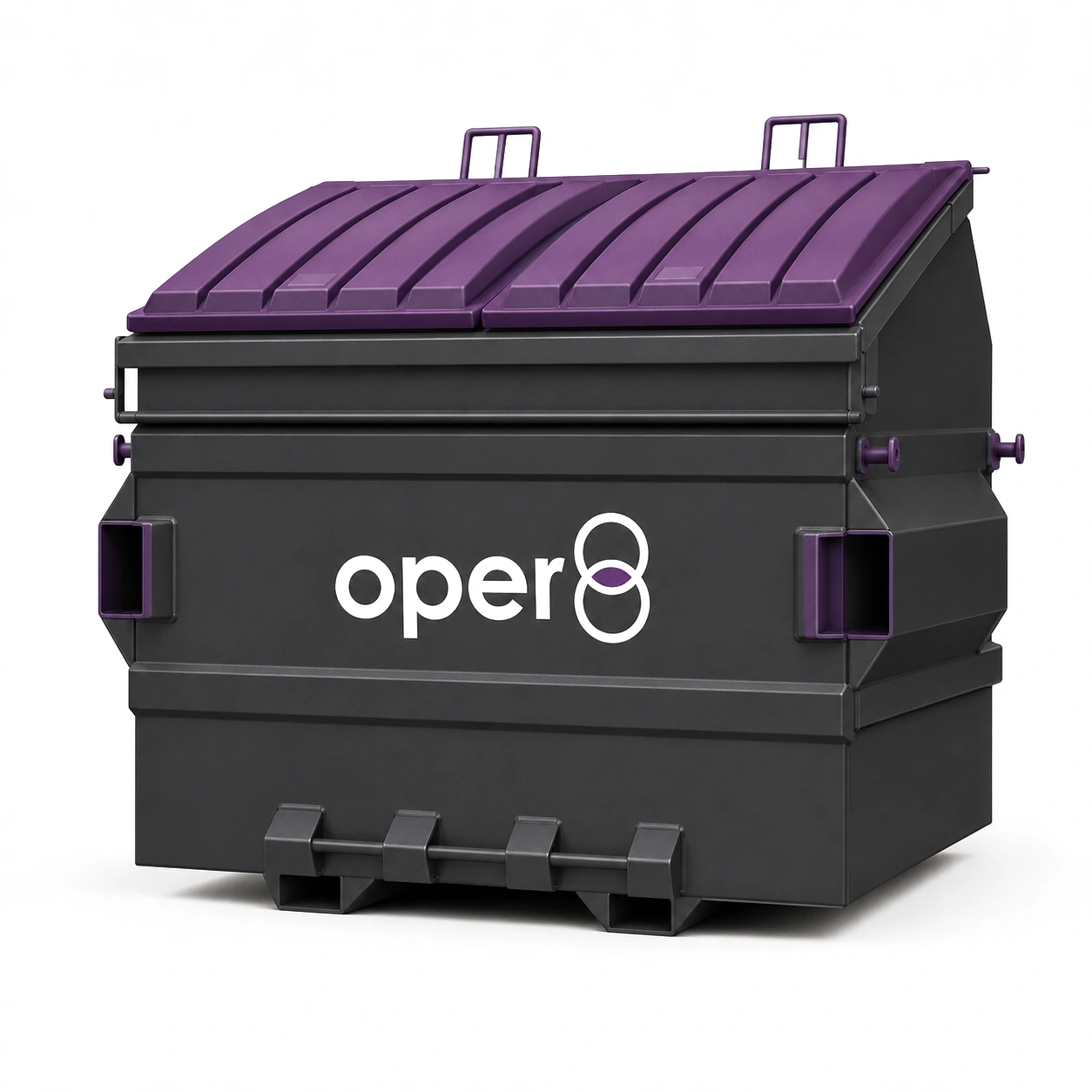
Front-end loader (FEL)

A large, static container for businesses producing substantial amounts of dry waste, mixed recycling, paper or cardboard.

A practical option for warehouses and busy commercial yards. It stays in position and is emptied by a front-loading collection vehicle, so leave clear access and overhead space.

Example container capacity: 7.6 m³

Approximate dimensions

Height
2,120 mm
Width
2,150 mm
Depth
2,020 mm
Tell us what you need
Rear-end loader (REL)

Larger commercial volumes

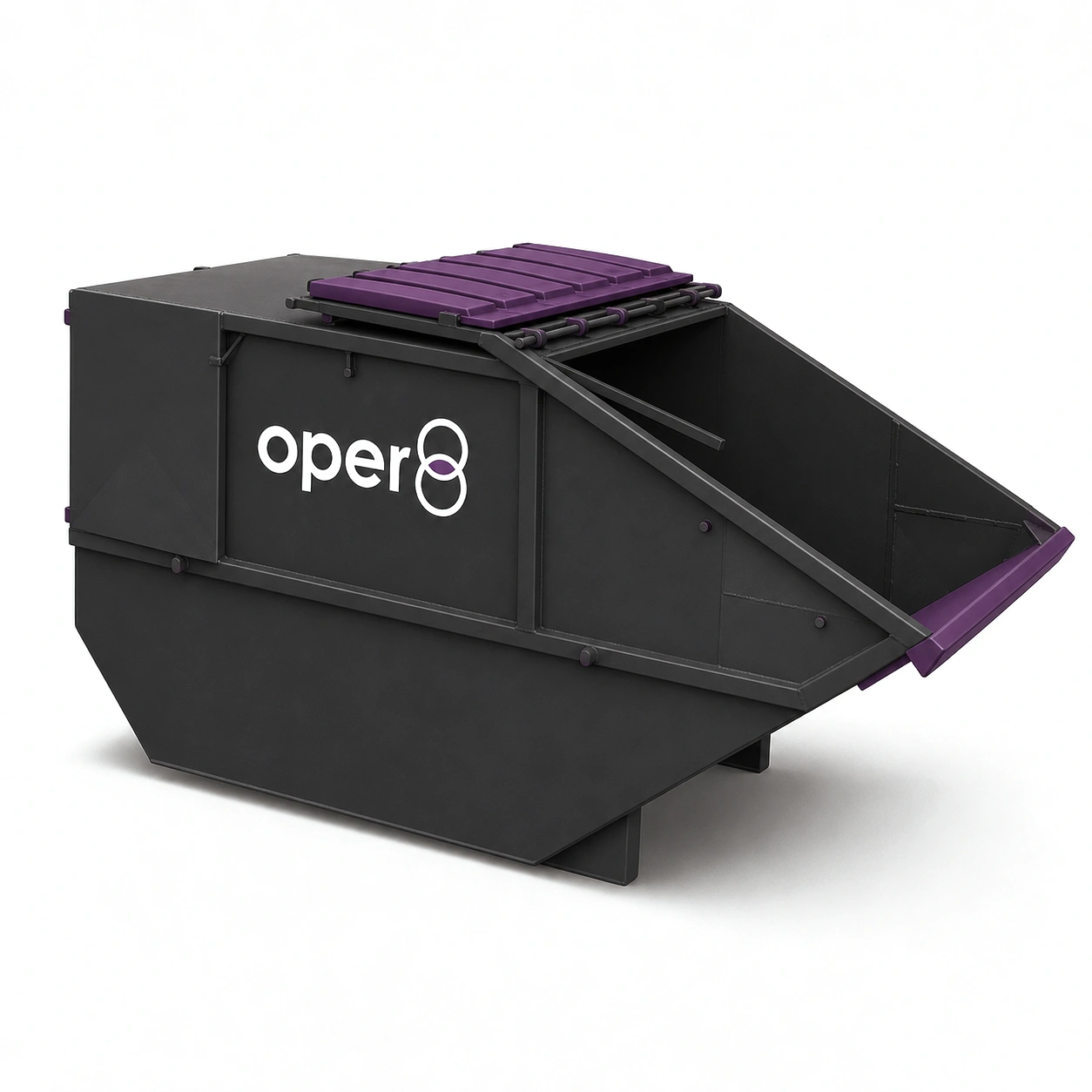
Rear-end loader (REL)

A large commercial container for regular collections of dry general waste or recycling, including paper and cardboard.

Useful where a wheeled-bin setup is too small. Plan a dedicated storage area with room for the rear-loading vehicle to reach and empty it. It is a different container from a skip or roll-on roll-off.

Example container capacity: 10.7 m³

Approximate dimensions

Height
1,830 mm
Width
4,299 mm
Depth
1,753 mm
Tell us what you need

Room to store it

Measure the available space and any gates or doorways. Leave room to lift the lid and separate your materials. A hard, level surface helps keep bins stable.

Room to collect it

Keep the route clear of steps, parked vehicles and stored goods. For larger containers, tell us about gates, low roofs and vehicle turning space.

A schedule that fits

A smaller bin collected more often may suit a tight site. A larger bin can help with bulky packaging. Food waste needs particular attention to avoid smells and build-up between visits.

01 / Separate your waste

General waste

For the everyday rubbish left after you have separated food and recyclable materials. It is the last bin to fill, not a bin for everything.

Which container?

Sacks suit smaller amounts where storage is tight. Wheeled bins from 240 to 1100 litres suit regular collections. FEL and REL containers offer more room for larger volumes of everyday dry waste.

General waste collection container
What goes in
Used tissues, floor sweepings and non-recyclable packaging, including food-soiled wrappers that cannot be recycled.
What stays out
Food scraps, bottles and recyclable packaging belong in their own collections. Keep batteries, electrical items, chemicals, rubble and liquids out.
Make collection easier
Tie bags securely and keep the lid closed. If rubbish regularly piles up beside the bin, a larger container or more frequent collection may help.
Back to guide contents ↑

02 / Separate your waste

Mixed recycling

Often called dry mixed recycling or DMR, this brings everyday dry recyclables together in one collection. It is a straightforward option for offices, shops and shared workplaces.

Which container?

Choose sacks where you have little storage, or a 240, 360, 660 or 1100 litre wheeled bin. Larger FEL or REL containers can suit busy sites producing lots of dry recycling.

Mixed recycling collection container
What goes in
Clean, dry paper and cardboard, empty drinks cans, food tins and plastic bottles. The accepted range of plastic pots, tubs and trays depends on your collection.
What stays out
Food, liquids, glass, polystyrene and dirty packaging. Soft plastic wrapping and takeaway cups need a separate conversation rather than going in by default.
Make collection easier
Empty bottles and tins, remove food residue and flatten boxes. Keep paper and card dry. We will explain which plastics and bags your collection accepts.
Back to guide contents ↑

03 / Separate your waste

Food waste

A separate collection for kitchen scraps and food left on plates. Useful for cafés, restaurants, staff kitchens and any business where food is prepared or served.

Which container?

A dedicated 240 litre food bin is a common choice. Smaller kitchen containers can feed into it. Food is heavy, so do not fill a large general-purpose bin with it.

Tell us what you need
Food waste collection container
What goes in
Fruit and vegetable peelings, leftover food, coffee grounds and tea bags. Ask us about bones and any particular food your business handles.
What stays out
Packaging, cutlery, glass and liquids. Cooking oil needs a separate collection. Do not put compostable cups, packaging or liners in unless they are accepted.
Make collection easier
Collect scraps close to where food is prepared, then transfer them to a dedicated lidded bin. Keep it closed and arrange a collection frequency that helps avoid smells and build-up.
Back to guide contents ↑

04 / Separate your waste

Glass

Keep empty bottles and jars separate from mixed recycling. A dedicated glass collection is especially useful for pubs, bars, restaurants and hospitality sites.

Which container?

Dedicated glass bins commonly use a compact wheeled format, such as 240 litres. Choose the bin with us rather than filling a larger recycling bin with heavy glass.

Tell us what you need
Glass collection container
What goes in
Empty drinks bottles and food jars. We will explain whether colours need separating and what to do with lids and caps.
What stays out
Drinking glasses, ceramics, mirrors, window glass and light bulbs. These are different materials and do not belong with ordinary bottles and jars.
Make collection easier
Empty containers before putting them in the bin. Do not crush bottles or push glass down by hand. Leave the lid able to close.
Back to guide contents ↑

05 / Separate your waste

Paper

A separate paper collection can make sense for offices and businesses producing a steady supply of clean paper. Unlike mixed recycling, it keeps paper apart from cans and plastics.

Which container?

Wheeled bins from 240 to 1100 litres can suit paper. Larger dry-waste containers may help at high-volume sites.

Tell us what you need
Paper collection container
What goes in
Office paper, newspapers and magazines. Ask about envelopes and shredded paper, as these are handled differently between collections.
What stays out
Tissues, wet or food-soiled paper, laminated sheets and thermal receipts. Confidential documents need secure handling, not an ordinary recycling bin.
Make collection easier
Keep paper dry and separate from food. Set aside sensitive documents and tell us if you need confidential disposal.
Back to guide contents ↑

06 / Separate your waste

Cardboard

A dedicated cardboard collection is useful when deliveries and packaging make up most of your recycling. Keeping boxes separate can free up space in your mixed recycling bin.

Which container?

Wheeled bins from 240 to 1100 litres work for smaller volumes of flattened card. FEL and REL containers are worth discussing for larger quantities.

Tell us what you need
Cardboard collection container
What goes in
Clean corrugated boxes, delivery cartons and plain packaging card.
What stays out
Polystyrene inserts, plastic wrapping and food-soiled boxes. Waxed or plastic-lined packaging and takeaway cups are not ordinary cardboard.
Make collection easier
Flatten boxes and remove inserts. Store cardboard somewhere dry. Tell us if loose boxes are taking over your storage area.
Back to guide contents ↑

Something else to collect?

Cups, confidential documents, electrical equipment and hazardous materials need a different approach. Tell us what you have so we can discuss the right next step.

Tell us what you need

A project,
not a regular bin?

Skips and roll-on roll-off containers are a different service. Tell us what the project involves so size, access and materials can be reviewed.

Explore skip hire
Explore business clearances

Common questions

Space, streams and access